| What to Know for Thursday, March 5, 2026: | 1: Social Security won't go bankrupt, but prepare for 21% benefit cut by 2033 |  | (Image credit: Adobe) |
| What "insolvency" really means: Social Security will NOT go bankrupt — it will continue collecting over $1 trillion annually in payroll taxes, but by 2033 the trust fund reserves will be depleted and incoming taxes will only cover 79% of scheduled benefits, triggering an automatic 21% cut unless Congress acts. Plan to receive "75 cents on the dollar": Financial advisors recommend planning for reduced benefits and treating anything above that as a bonus — max out your 401(k)s and IRAs now, and consider Social Security as "icing on the cake, not the cake itself" for retirement income. Most at risk: $50K-$90K earners with no retirement plan: Self-employed workers and those without employer-sponsored retirement plans who arrive at age 62 with only a $1,800 monthly Social Security benefit will see it function closer to $1,400 after Medicare Part B premiums and taxes — at that point "there isn't much we can do to remediate."
| ➜ Read the full story from the New York Post here. | | | 2: Medicare extends telehealth coverage through 2027 — what you need to know |  | (Image Credit: Getty Images) |
| Telehealth reimbursement extended through 2027: Medicare beneficiaries can continue receiving care via telehealth from home rather than being limited to hospitals or clinics — behavioral and mental health telehealth was made permanent starting in 2021, eliminating geographic restrictions. Prescription flexibility continues through 2026: The DEA extended telemedicine flexibilities allowing doctors to prescribe certain controlled substances via telehealth without requiring an initial in-person visit — this is critical for maintaining access to behavioral health medications, particularly in underserved areas. Hybrid care is now standard: Virtual and in-person care are now used based on clinical need and patient preference rather than regulatory constraints — providers can invest in long-term telehealth platforms with confidence, making it easier for seniors to access specialty care, mental health services, and hospital-at-home programs.
| | ➜ Read the full story from Healthcare IT News here. | | 3: Gold hits $5,166 per ounce — why retirees should reassess their portfolios now |  | (Image credit: Getty Images) |
| Gold nearly doubled in value: Gold crossed $5,000 per ounce and is now around $5,166 — nearly double its price from the start of 2025 — and tends to rise when stock markets fall, providing protection during market volatility when traditional 60/40 stock/bond portfolios fail. Protects against devastating early losses: For retirees drawing down portfolios, the timing of losses matters enormously — a sharp market decline early in retirement can permanently impair your savings, but a gold allocation that holds value during downturns reduces the need to sell depreciated stocks to cover living expenses. Works when stocks and bonds both fall: Traditional diversification relies on stocks and bonds moving independently, but during recent volatility both have fallen together — gold maintains its low or negative correlation to equities even when bond diversification fails, making it one of the few genuine shock absorbers left.
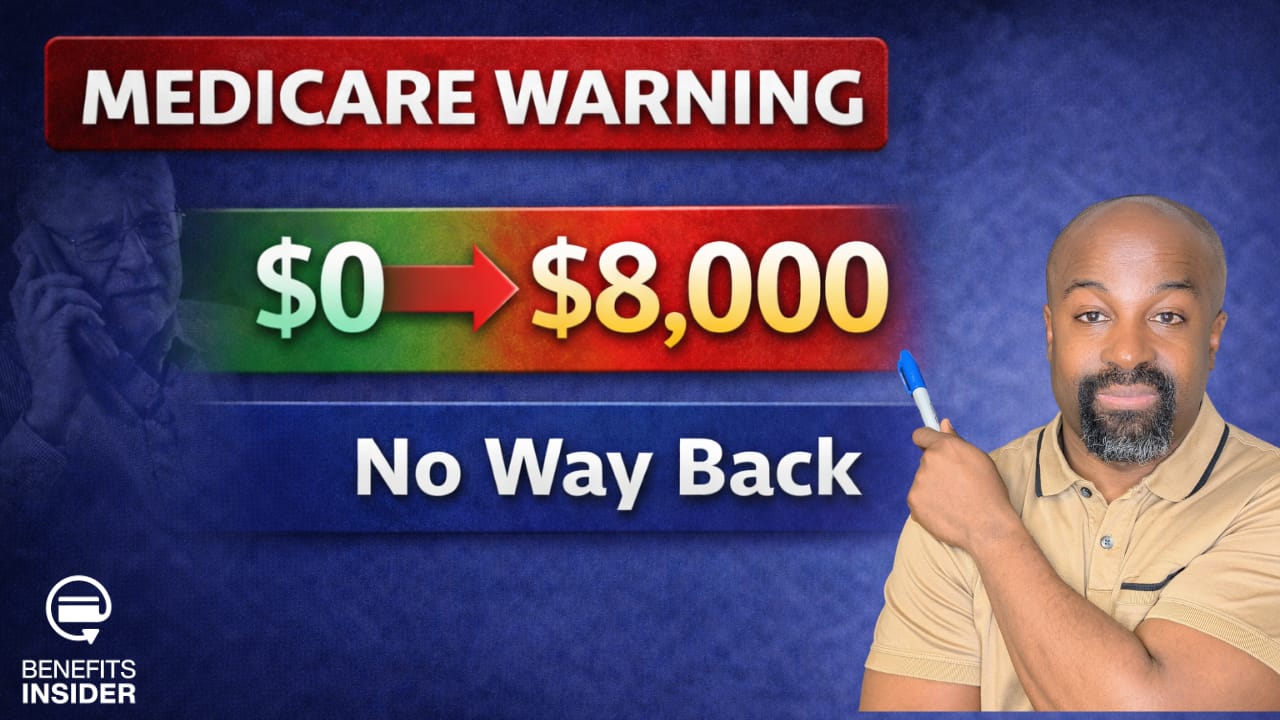
| ➜ Read the full story from the CBS News here. | | Here's What You Missed on YouTube: | Check out our new YouTube videos for Thursday, March 5th. | Medicare Supplement Trap: How One Phone Call Cost a Retiree $8,000 — With No Way Back! | | SSA Letter of the Week: Overpayment Notice + Your Next Steps | | | | The Daily 3 Deal List—Week of March 2nd | | This newsletter is for information only. Always confirm your options directly with Social Security, Medicare, Medicaid, or a qualified advisor before making big decisions about your benefits. | *View our Advertising Disclosure |
|




No comments:
Post a Comment