|
|
What to Know for Monday, June 1st, 2026: |
1: 2027 Social Security COLA could hit 3.9% — raising average check by $81/month, but may not keep pace with rising essentials |
 |
(Image Credit: Adobe Stock) |
|
TSCL predicts 3.9% COLA for 2027, highest yet this year: Senior Citizens League's latest monthly prediction is notably higher than previous 2.8% estimates — at 3.9%, average benefits check would rise from $2,081.16 to $2,162.33 (an $81.17 jump) — SSA will announce official 2027 COLA in October, with independent analyst Mary Johnson predicting even higher 4.2% based on April's CPI data (up from 3.2% last month). Even 3.9% raise might not offset inflation on essentials seniors need most: TSCL stresses that "costs that matter most, especially healthcare, housing, utilities, and insurance, continue to rise faster than prices in the rest of economy, silently wrenching seniors dry" — for retirees living on fixed incomes, the increase may fall short of actual inflation they experience. 57.6% of seniors skipped healthcare services in last 12 months to save money: Dental, vision, and hearing services most commonly cut (Medicare Part B doesn't cover these) — "many seniors are telling us the same thing: as inflation picks back up, life still does not feel affordable...they feel like they're falling farther and farther behind," with average senior living on much less than younger Americans.
|
➜ Read the full article from Inc here. |
|
|
|
|
2: Social Security's Special Minimum Benefit nearly extinct — under 30,000 still collect it, workers turning 62 after 2024 can't qualify |
 |
(Image Credit: 24/7 Wall Street) |
|
Special Minimum Benefit guarantees $1,123.70/month for 30 years of low-wage work: Created in 1972 to protect long-career workers earning under ~$20,565/year (2026 threshold), pays based on years of coverage rather than lifetime earnings — for someone with 30 qualifying years earning $980/month under standard formula, Special Minimum pays ~$1,123.70, adding approximately $144/month or $35,000 over 20-year retirement. Nearly extinct because benefit is not wage-indexed: Number of beneficiaries plummeted from 200,000 in early 1990s to under 30,000 by December 2020 — workers turning 62 in 2024 or later cannot qualify because standard formula (which is wage-indexed) now always produces higher benefit than non-indexed Special Minimum, making provision "effectively unreachable going forward." If you turned 62 before 2024, check if you qualify: Pull your Social Security earnings record and count years you cleared the year-of-coverage threshold (11 years minimum, 30 maximum) — call SSA directly to verify if Special Minimum produces higher benefit than standard calculation before filing, as "the hardest mistake to undo is filing without checking" since benefit is locked in once set and worth thousands over retirement.
|
➜ Read the full article from 24/7 Wall Street here. |
|
|
3: Top Medicare mistakes: not comparing plans, assuming you can switch easily, ignoring income impact on premiums |
 |
(Image Credit: Getty Images) |
|
Many enroll in Medicare Advantage without understanding network restrictions: 54% of eligible Medicare population chose Medicare Advantage in 2025, but many don't realize they're "assigning your Medicare Part A and B to a private insurance company" with strict network requirements — "all four or five doctors, one primary and four specialists, have to be in the same medical network," plus you need prior authorization for care and referrals for specialists. Switching from Medicare Advantage to Original Medicare with Medigap is often impossible after enrollment: While you can switch during open enrollment, Medigap insurers are not required to sell you a policy except during your one-time 6-month open enrollment window after first getting Part B — "Medigap policies are really the only form of insurance that can continue to discriminate against people based upon pre-existing conditions," so "two years down the road if you want to change to traditional Medicare...that might not be true." Large financial moves (Roth conversions, IRA withdrawals, home sales) can trigger IRMAA surcharges: Part B and Part D premiums based on income from two years prior — "unknowingly bumping yourself into higher Medicare premiums thanks to IRMAA" can happen if you do Roth conversion, cash out IRA, realize capital gains, or sell second home — example: married couples with MAGI over $266,000-$334,000 pay additional $185/month in 2025.
|
➜ Read the full article from Investopedia here. |
 |
|
Free Medicare Help with Chapter |
90% of American seniors are on the wrong Medicare plan. Thankfully, Chapter is here to help! They can help you switch to the right plan and save $$$. Chapter saves the average senior $1,100 per year! Plus, it is 100% risk-free! Give them a call to find out how much you could save: 539-205-2147. |
askchapter.org/insider |
|
|
|
|
|
Here’s What You Missed on YouTube: |
Check out our new YouTube videos for Monday, June 1st. |
What Social Security Owes You in 2026 — Find Your Birth Year (Most People Never Claim It) |
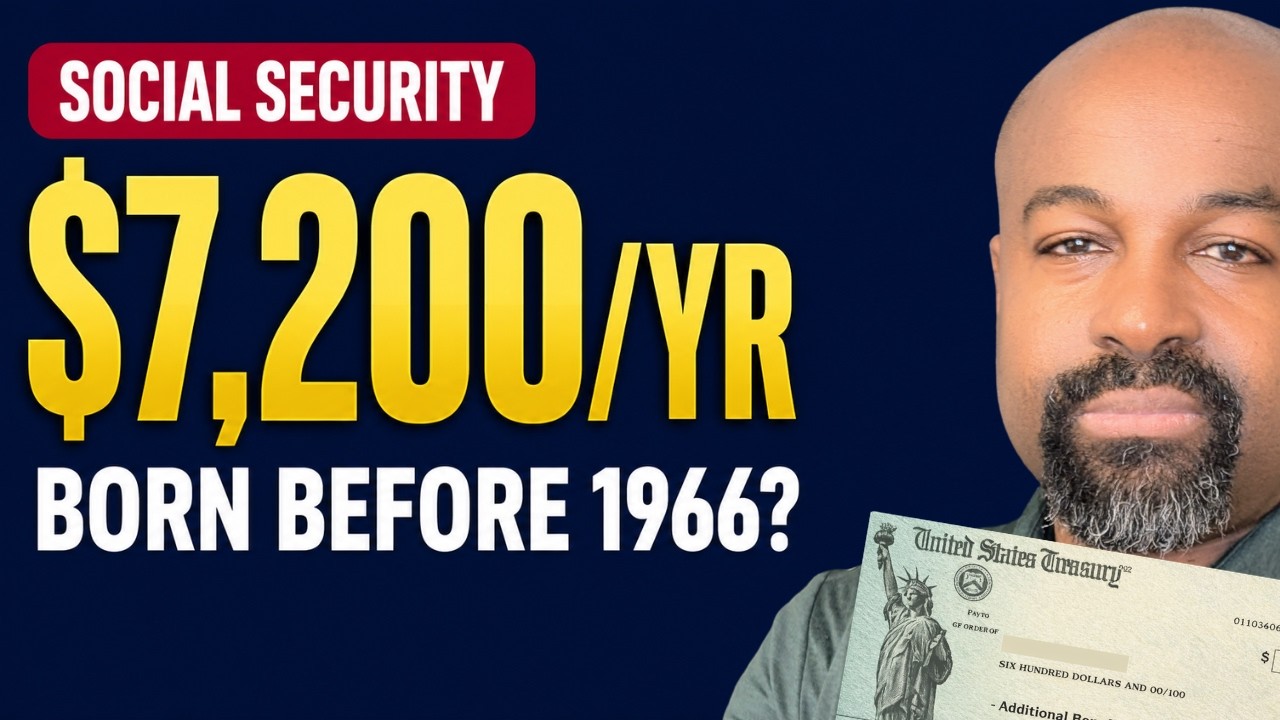 |
What Social Security Owes You in 2026 — Find Your Birth Year (Most People Never Claim It) |
|
|
|
|
|
|
This newsletter is for information only. Always confirm your options directly with Social Security, Medicare, Medicaid, or a qualified advisor before making big decisions about your benefits. |
*View our Advertising Disclosure |
|


No comments:
Post a Comment